Hypoallergenic dog food: what it means, and when a dog really needs it
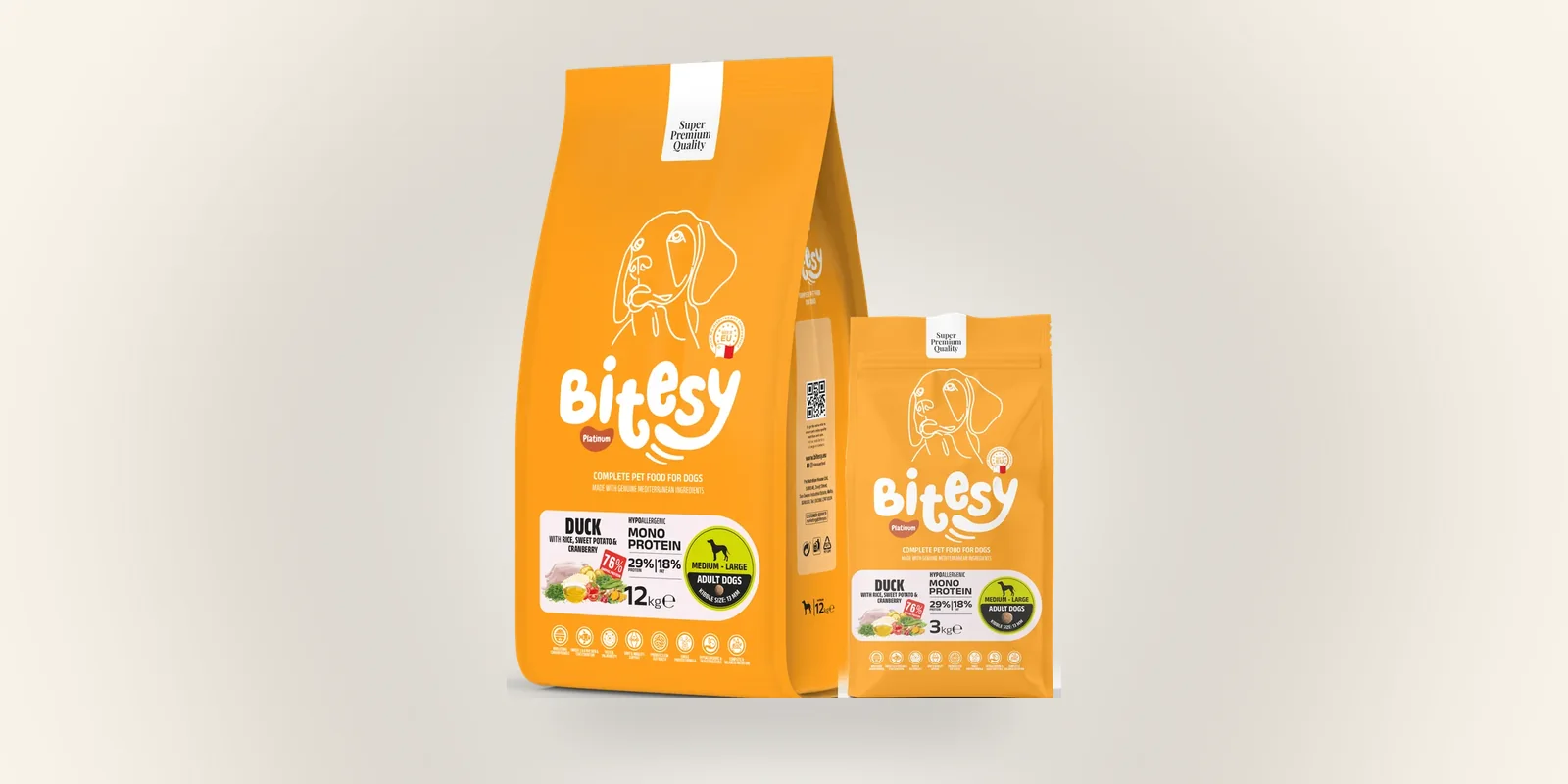
Hypoallergenic dog food is one of the most searched and least understood phrases in pet nutrition. No food can be guaranteed allergen-free, because an allergy is a reaction to a protein and every food contains protein. What the word can honestly mean is "built to make a reaction as unlikely as possible": one named animal protein, no hidden extras, and ingredients chosen to be easy on skin and gut.
What a food allergy in dogs actually is
True food allergies are rarer than owners think, but food intolerances and sensitivities are common, and they look the same from the outside: itching, ear infections that keep coming back, paw licking, hot spots, soft stools or wind. Almost always the trigger is a protein the dog has eaten for years, which is why beef and chicken top the list: they are simply the most common ingredients in dog food.
Fleas, environmental allergies (pollen, dust mites) and skin infections cause identical symptoms, so the first step is always a vet check to rule those out. Diet is the second step, and it is the one you control.
Mono-protein vs hydrolysed
There are two ways to build a hypoallergenic diet. Hydrolysed foods break protein into fragments too small for the immune system to recognise; they are effective but processed, expensive and usually only sold through vets. Mono-protein foods take the natural route: one animal protein the dog has rarely eaten, nothing else. For most sensitive dogs the mono-protein route works, costs less and lets you see exactly what is in the bowl.
How Bitesy Platinum approaches it
The hypoallergenic recipes in Bitesy Platinum Dog are mono-protein and use less common proteins. Turkey, rice, sweet potato and turmeric is built on 32% dehydrated turkey; duck, rice, sweet potato and cranberry on 32% dehydrated duck; and the puppy recipe on 34% dehydrated salmon with parsley. Each is 29 to 32% protein, uses rice rather than wheat as its carbohydrate, and adds sweet potato, peas and beet pulp for gentle digestion. The composition is printed on the bag and published on this site, so there is nothing to decode.
Do's and don'ts of an allergy diet
- Do pick a protein your dog has not eaten before: for a dog raised on chicken, that is duck or salmon, not another chicken recipe.
- Do give it eight weeks. Skin takes that long to settle, and hair grows slowly.
- Don't feed anything else during the trial: no treats, no table scraps, no flavoured chews or toothpaste. One biscuit a day is enough to hide the result.
- Don't rotate proteins during the trial, however tempting; rotate afterwards, once you know what is safe.
- Do write it down. A short daily note on scratching and stools shows a trend you will not remember otherwise.
When to see the vet
Straight away if there is hair loss, broken skin, a smelly ear, blood in the stool or weight loss. Diet can be part of the answer to all of these, but it is never the first thing to try when a dog is clearly unwell.
Frequently asked
Is grain-free the same as hypoallergenic?
No. Grain allergies in dogs are rare; protein sensitivities are common. A hypoallergenic recipe is defined by its protein, not by the absence of grain. Bitesy Platinum uses rice, which is one of the least reactive carbohydrates.
Can I use hypoallergenic food for a puppy?
Yes, if the recipe is formulated for growth. The Bitesy Platinum salmon puppy recipe is a mono-protein food designed for puppies, with 32% protein and 19% fat.
How long before I see a difference?
Stools often improve within two weeks; skin and coat take six to eight weeks. Judge the food at eight weeks, not eight days.
More from the blog
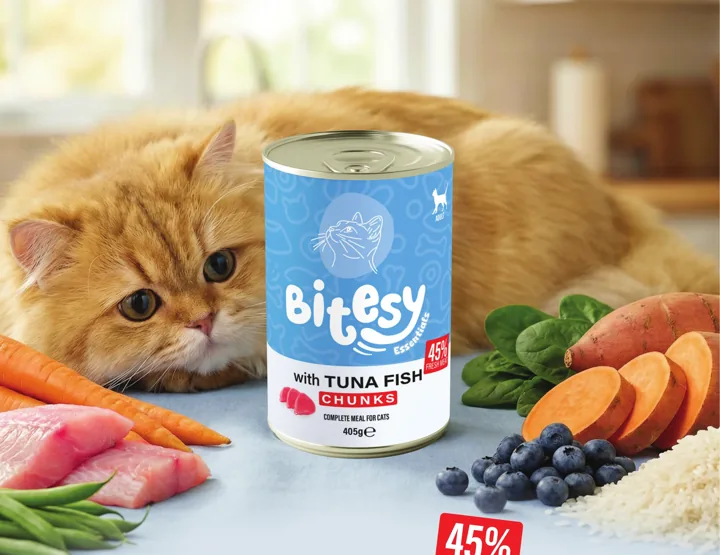
Is wet food better for cats? Wet vs dry, how to combine them, and why water is the real question
Is wet food better for cats than dry? A plain guide to what each does well, why hydration matters so much for cats, and how to mix wet and dry without overfeeding.

Mono-protein cat food: what it is, and which cats really need it
Mono-protein (single-protein) cat food explained: what it means, why it helps cats with food sensitivities and itchy skin, and how to use it in an elimination diet.

Best dog food for skin allergies? Why fish, seabream and salmon, is the place to start
Looking for the best dog food for skin allergies? Why fish-based dog food helps with itchy skin and dull coats: omega-3 from seabream and salmon, dual-protein recipes, and how Bitesy Platinum Dog uses fresh Mediterranean fish.