Why is my dog scratching so much? Fleas, food and the order to check things in
"Why is my dog scratching so much" is one of the most searched dog questions in Malta, and it has four common answers. Diet is only one of them, which is why changing food first so often disappoints. Check in this order and you will usually find the cause.
1. Parasites
Fleas remain the number one cause of itching, and a dog can be allergic to a single flea bite without a flea being visible. Mites and lice are less common but look identical. Before anything else, make sure the dog is on a vet-recommended parasite treatment and that it is up to date, and treat the house as well as the dog.
2. Skin infections
Scratching breaks the skin, bacteria and yeast move in, and the infection itself itches, so the problem feeds itself. Red, smelly, greasy or scabbed skin, or ears with dark discharge, need a vet rather than a diet change. Once the infection is treated, the underlying cause can be found.
3. Environment
Pollen, grass, dust mites and cleaning products cause the dog equivalent of hay fever, with itchy paws, belly and face. Seasonal patterns are the clue: worse in spring and summer, better in winter. Wiping paws after walks and washing bedding at 60 °C help; your vet can test and prescribe if it is severe.
4. Food
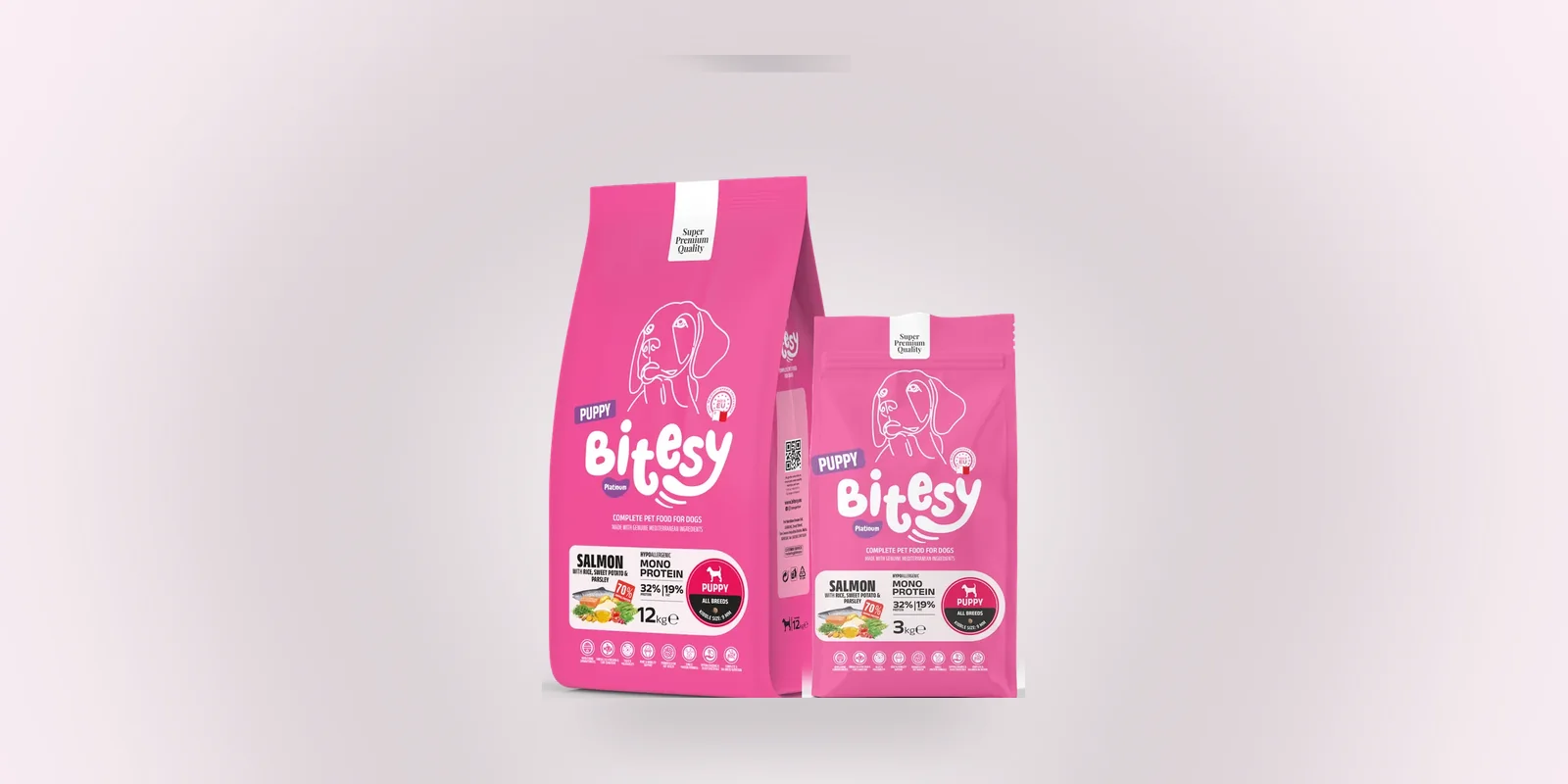
Food sensitivity is real, usually to a protein the dog has eaten for years, and it does not follow the seasons. The test is a strict eight-week trial on a single protein the dog has not had before: for most dogs raised on chicken or beef that means duck, turkey or fish. The mono-protein recipes in Bitesy Platinum Dog (turkey, duck, and salmon for puppies) are built for exactly this, with rice rather than wheat and the full composition on the bag. Nothing else passes the dog's lips for eight weeks: no treats, no table food, no flavoured chews. If the scratching eases, you have your answer.
What helps whatever the cause
Omega-3 fatty acids from oily fish calm skin inflammation from the inside; a salmon or seabream-based food delivers them daily. Regular brushing, a mild dog shampoo used sparingly, and keeping nails short so scratching does less damage all help. And write things down: a two-line daily note on scratching, season and food is what turns guesswork into a diagnosis.
Frequently asked
Can I run the food trial and the flea treatment at the same time?
Yes, and you should; the trial only tells you something if parasites are ruled out.
How long until a new food stops the itching?
Six to eight weeks. Improvement before that is usually the flea treatment or the season, not the food.
Is a grain-free food the answer to itching?
Rarely. Grain allergies in dogs are uncommon; protein is the usual culprit. Change the protein first.
More from the blog
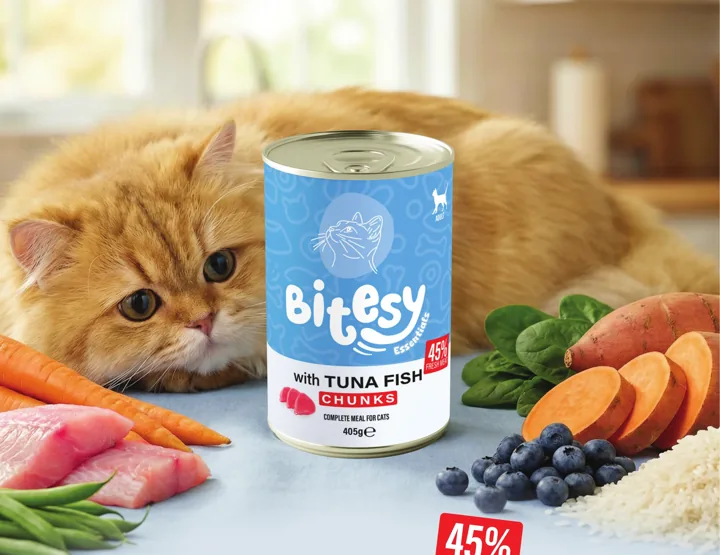
Is wet food better for cats? Wet vs dry, how to combine them, and why water is the real question
Is wet food better for cats than dry? A plain guide to what each does well, why hydration matters so much for cats, and how to mix wet and dry without overfeeding.
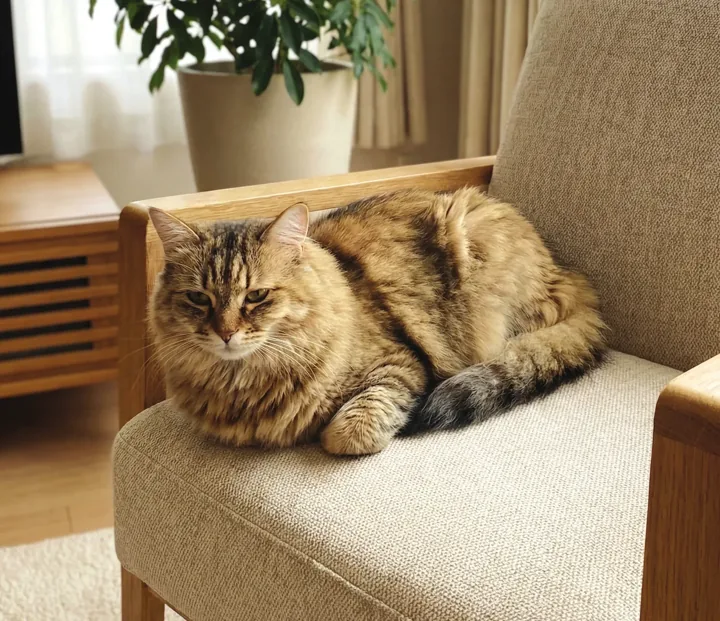
Mono-protein cat food: what it is, and which cats really need it
Mono-protein (single-protein) cat food explained: what it means, why it helps cats with food sensitivities and itchy skin, and how to use it in an elimination diet.

Best dog food for skin allergies? Why fish, seabream and salmon, is the place to start
Looking for the best dog food for skin allergies? Why fish-based dog food helps with itchy skin and dull coats: omega-3 from seabream and salmon, dual-protein recipes, and how Bitesy Platinum Dog uses fresh Mediterranean fish.