What not to feed your dog: 12 foods to keep off the floor, and 5 that are fine
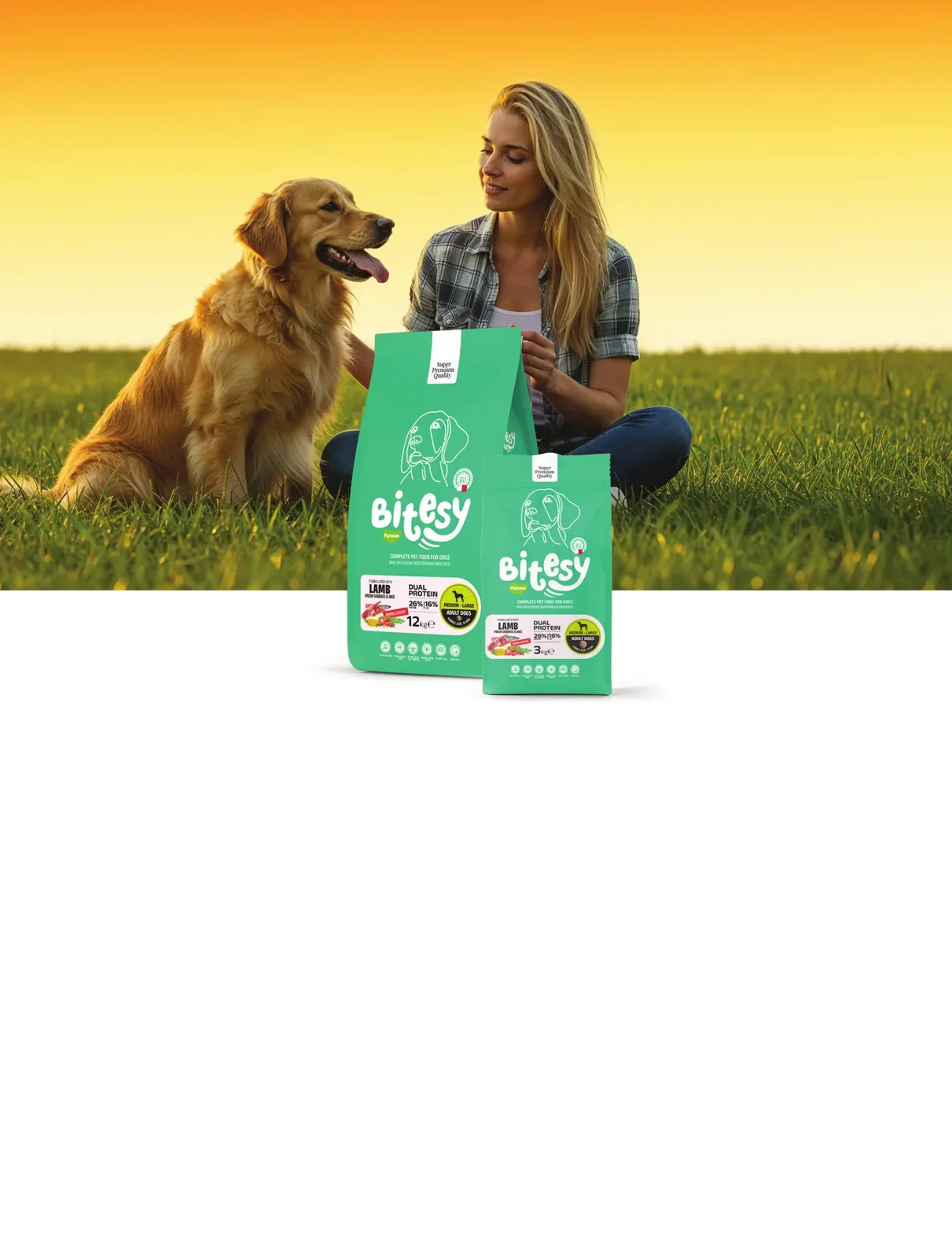
Every dog owner has been handed a plate by a small child and watched a dog clean it in three seconds. Most of the time nothing happens. Some of the time it is an emergency. Here is the list to know by heart, and the habits that prevent most of the calls to the vet.
Never: foods that are toxic to dogs
- Chocolate and anything with cocoa; darker is worse.
- Grapes, raisins, sultanas: even a few can cause kidney failure.
- Onions, garlic, leeks, chives, raw or cooked, including in gravies and stuffing.
- Xylitol (also labelled birch sugar), found in sugar-free gum, sweets, some peanut butters and baked goods; causes a dangerous drop in blood sugar.
- Alcohol in any form, including raw bread dough, which ferments in the stomach.
- Macadamia nuts.
- Cooked bones of any kind: they splinter.
- Avocado (the flesh is mildly toxic; the stone is a choking hazard).
- Caffeine: coffee, tea, energy drinks.
- Mouldy food from the bin; some moulds produce toxins that cause tremors.
- Salty snacks in quantity: crisps, salted nuts, cured meats.
- Medicines for people, especially ibuprofen and paracetamol.
If your dog eats any of these, call your vet straight away rather than waiting for symptoms; with grapes and xylitol, the hours before symptoms appear are the hours that matter.
Fine in moderation
- Carrot, cucumber, apple (no pips) as low-calorie treats.
- Plain cooked chicken or fish with no seasoning or bones.
- Plain cooked rice or pasta, useful during an upset stomach.
- Plain yoghurt in a spoonful, if your dog tolerates dairy.
- Blueberries, banana, watermelon (no seeds) in small amounts.
"Moderation" has a number: treats and extras should stay under 10% of daily calories. Beyond that they unbalance a complete diet, however healthy they are individually.
The habits that matter more than the list
Most dog food problems are not poisonings. They are slow ones: too much food, too many treats, and sudden changes. A complete dry food such as Bitesy Essentials Dog fed by weight, with a can of wet food counted as part of the ration rather than added on top, does more for a dog's health than any list of superfoods. Change foods over a week, keep the bin closed, and keep human food on the table rather than under it.
A note on raw meat and bones
Raw diets divide opinion. What is not in dispute is the risk of bacteria (to the dog and to the people in the house) and of cooked bones. If you feed raw, do it with a recipe that is nutritionally complete and with the hygiene you would use for your own food; if you feed cooked, leave the bones out.
Frequently asked
How much chocolate is dangerous?
It depends on the type and the dog's size. A small square of milk chocolate will not harm a large dog; a bar of dark chocolate can kill a small one. Treat any amount of dark chocolate as an emergency.
Can dogs eat cheese?
A small amount of hard cheese is fine for most dogs, but it is calorie-dense and some dogs are lactose intolerant. Avoid blue cheeses.
My dog ate something from the list and seems fine. Do I still call the vet?
Yes. Several of these toxins act over hours, and treatment is far more effective before symptoms appear.
More from the blog
Is wet food better for cats? Wet vs dry, how to combine them, and why water is the real question
Is wet food better for cats than dry? A plain guide to what each does well, why hydration matters so much for cats, and how to mix wet and dry without overfeeding.

Mono-protein cat food: what it is, and which cats really need it
Mono-protein (single-protein) cat food explained: what it means, why it helps cats with food sensitivities and itchy skin, and how to use it in an elimination diet.

Best dog food for skin allergies? Why fish, seabream and salmon, is the place to start
Looking for the best dog food for skin allergies? Why fish-based dog food helps with itchy skin and dull coats: omega-3 from seabream and salmon, dual-protein recipes, and how Bitesy Platinum Dog uses fresh Mediterranean fish.